

As Wireless electric charging technology for devices takes center stage, this opening passage beckons readers into a world crafted with good knowledge, ensuring a reading experience that is both absorbing and distinctly original. The convenience of wirelessly charging your devices is no longer a futuristic concept but a present reality that is reshaping how we power our gadgets.
Overview of Wireless Electric Charging Technology
Wireless electric charging technology allows devices to charge without the need for physical cables or connectors. This innovative method uses electromagnetic fields to transfer power between a charging pad and a compatible device, making it a convenient and efficient solution for powering up electronic gadgets.
Key Components of Wireless Charging Technology
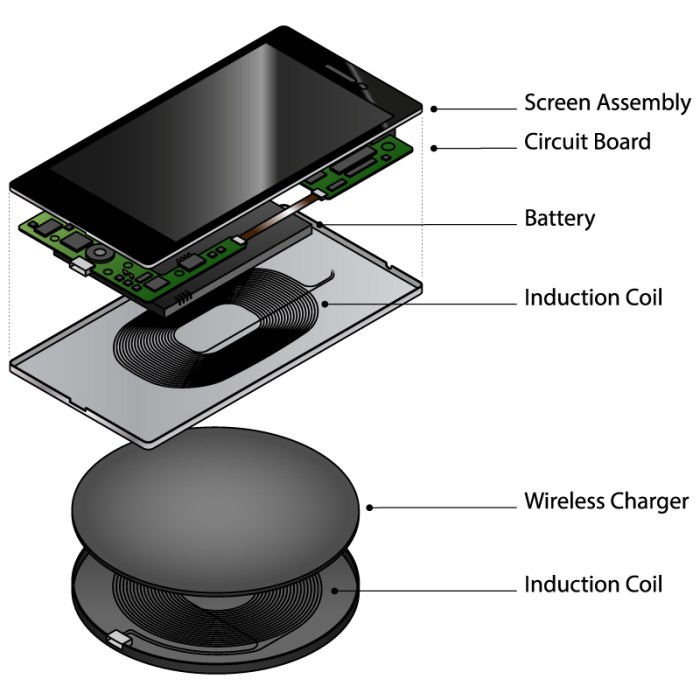
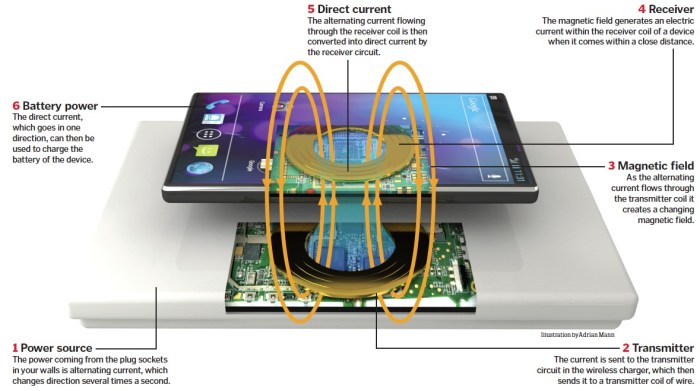
- Transmitter: The transmitter, often in the form of a charging pad, generates an electromagnetic field to transfer power.
- Receiver: The receiver, typically built into the device or attached as a case, captures the energy from the transmitter and converts it into usable power.
- Control Circuitry: This component manages the power transfer process and ensures efficiency and safety during charging.
Benefits of Wireless Charging
- Convenience: Users can simply place their device on a charging pad without dealing with tangled cables or connectors.
- Durability: Eliminating physical connectors reduces wear and tear on devices, prolonging their lifespan.
- Efficiency: Wireless charging can be more energy-efficient compared to traditional wired charging methods, reducing overall power consumption.
- Versatility: Wireless charging technology can be integrated into various devices, from smartphones and smartwatches to electric vehicles and medical implants.
Types of Wireless Charging Technologies
Wireless charging technologies have seen significant advancements in recent years, offering convenience and efficiency to users looking to power up their devices without the hassle of cords and cables. Let's explore the different types of wireless charging technologies available in the market.
Magnetic Resonance Wireless Charging Technology
Magnetic resonance wireless charging technology operates by creating a magnetic field between the charging pad and the device, allowing for power transfer over a distance. This technology enables more flexibility in device placement and orientation, as the magnetic field can penetrate through various materials.
By using magnetic resonance, users can charge multiple devices simultaneously on a single charging pad, making it a convenient option for households and workplaces.
Inductive Wireless Charging Technology
Inductive wireless charging technology functions by creating an electromagnetic field between the charging pad and the device, inducing an electric current to charge the device's battery. This technology requires close proximity between the charging pad and the device for efficient power transfer.
Inductive charging is commonly used in smartphones, smartwatches, and other portable electronic devices, offering a simple and user-friendly charging solution.
Implementation of Wireless Charging in Devices
Wireless charging technology has been increasingly integrated into various devices to provide convenience and efficiency to users.
Examples of Devices Supporting Wireless Charging
- Smartphones: Leading smartphone manufacturers such as Apple, Samsung, and Google have incorporated wireless charging capabilities into their flagship devices.
- Smartwatches: Wearable devices like Apple Watch and Samsung Galaxy Watch support wireless charging for easy charging on the go.
- Wireless Earbuds: Popular wireless earbuds like Apple AirPods and Samsung Galaxy Buds utilize wireless charging cases for added convenience.
Challenges in Integrating Wireless Charging into Devices
One of the main challenges faced in implementing wireless charging technology in devices is the need for compatible infrastructure and components. Device manufacturers have to ensure that the devices are designed to support wireless charging without compromising on other features or design aspects.
Additionally, optimizing the efficiency and speed of wireless charging while maintaining safety standards is a crucial consideration for device manufacturers.
Wireless Charging Standards like Qi Influencing Device Manufacturers
- Qi Standard: The Qi wireless charging standard has become widely adopted by device manufacturers as it provides interoperability and compatibility across a wide range of devices.
- Impact on Design: Device manufacturers are increasingly designing their products to be Qi-certified, ensuring seamless integration of wireless charging capabilities into their devices.
- Consumer Expectations: The prevalence of Qi wireless charging in the market has raised consumer expectations, pushing device manufacturers to prioritize wireless charging features in their products.
Future Developments and Innovations
As wireless electric charging technology continues to advance, we can expect several key developments and innovations that will shape the future of device charging.
Increased Efficiency and Faster Charging
One of the main areas of focus for future wireless charging technology is enhancing efficiency and speeding up charging times. Manufacturers are working on optimizing the transfer of power between the charging pad and the device to reduce energy loss and enable faster charging speeds.
With advancements in technology such as gallium nitride (GaN) chargers and improved coil designs, we can anticipate significant improvements in charging efficiency, allowing users to charge their devices more quickly and conveniently.
Longer Range and Spatial Freedom
Future wireless charging systems are likely to offer longer charging ranges and increased spatial freedom, allowing users to charge their devices from greater distances and in various orientations. This could eliminate the need for precise alignment between the device and the charging pad, enhancing the overall user experience.
Developments in resonant wireless charging technology and beamforming techniques may enable charging over longer distances, making it possible to charge devices even while they are in use or in motion.
Integration with IoT and Smart Devices
Wireless charging technology is expected to become more integrated with the Internet of Things (IoT) and smart devices, enabling seamless charging experiences across multiple devices and platforms. This integration could lead to innovative charging solutions for a wide range of devices, from wearables to smart home appliances.
As the demand for interconnected devices continues to grow, we can expect to see advancements in wireless charging technology that cater to the needs of a more connected and automated world.
Final Summary
In conclusion, the evolution of wireless electric charging technology is revolutionizing the way we interact with our devices. As we look to the future, the possibilities for advancements in this field are endless, promising a more seamless and efficient user experience.
Common Queries
What devices support wireless charging?
Many smartphones, smartwatches, and earbuds support wireless charging, including popular models from Apple, Samsung, and other major brands.
What are the challenges in integrating wireless charging into devices?
One of the main challenges is ensuring compatibility with existing device designs and components while maintaining efficient charging capabilities.
How is Qi influencing device manufacturers in terms of wireless charging?
The Qi standard has become widely adopted, leading manufacturers to integrate Qi compatibility in their devices to ensure interoperability and convenience for users.

