

In the realm of modern home security, smart systems have revolutionized the way we protect our homes. From advanced surveillance cameras to cutting-edge alarm systems, these innovative solutions offer a blend of convenience and peace of mind. Let's delve into the world of top smart security systems for modern homes and explore the features that set them apart.
Overview of Smart Security Systems
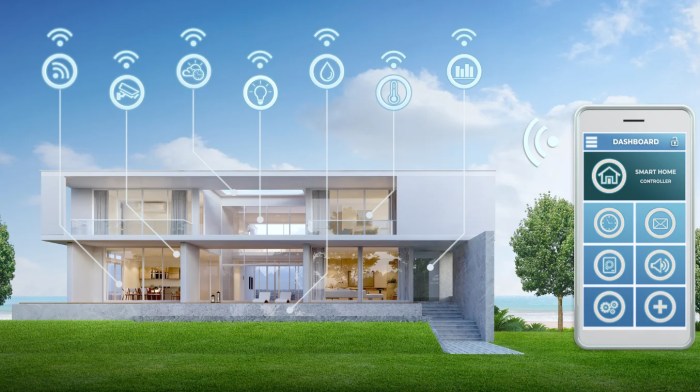
Smart security systems are advanced technological solutions designed to protect modern homes from intruders and potential threats. These systems utilize cutting-edge technology such as cameras, sensors, and connectivity features to provide real-time monitoring and alerts to homeowners.One of the key benefits of using smart security systems is the ability to remotely monitor and control your home security from anywhere using a smartphone or computer.
This convenience allows homeowners to keep an eye on their property even when they are away, providing peace of mind and added security.Modern smart security systems offer a wide range of features, including motion detection, two-way audio communication, night vision, and cloud storage for video footage.
Some systems even integrate with other smart home devices, such as smart locks and lighting, to create a comprehensive home automation and security solution.
Key Features of Smart Security Systems
- Real-time monitoring through mobile apps
- Motion detection sensors for immediate alerts
- Two-way audio communication for interactive monitoring
- Night vision capabilities for enhanced visibility in low-light conditions
- Cloud storage for storing video recordings
Types of Smart Security Systems
Smart security systems for modern homes come in various types, each offering unique features to enhance the safety and security of your property. Let's explore the different types available in the market.
Alarm Systems
Alarm systems are one of the most common types of smart security systems used in homes. They typically consist of sensors placed around the house to detect any unauthorized entry. When triggered, the alarm will sound, alerting the homeowners and potentially scaring off intruders.
Surveillance Cameras
Surveillance cameras are essential for monitoring activity around your home. These cameras can be placed indoors or outdoors, providing live footage that can be accessed remotely through a smartphone or computer. Some advanced models even offer features like motion detection and night vision.
Smart Locks
Smart locks offer a convenient way to secure your home without the need for traditional keys. These locks can be controlled remotely, allowing you to lock or unlock your doors from anywhere. Some smart locks also come with features like voice command integration and temporary access codes for guests.
Popular Brands
- Ring:Ring is known for its comprehensive home security solutions, including video doorbells, cameras, and alarm systems. Their products are easy to install and integrate seamlessly with other smart home devices.
- ADT:ADT is a well-established security company that offers a range of smart security systems, including monitored alarm systems and surveillance cameras. They provide professional monitoring services for added peace of mind.
- Arlo:Arlo specializes in wireless security cameras that are easy to set up and operate. Their cameras offer high-definition video quality and advanced features like two-way audio and customizable motion detection.
Key Features to Consider
When selecting a smart security system for a modern home, it is essential to consider key features that can enhance the overall security of your property. These features not only provide peace of mind but also help in keeping your home safe from potential threats.
1. Remote Monitoring
Remote monitoring allows homeowners to keep an eye on their property from anywhere at any time. With this feature, you can check live video feeds, receive alerts, and even communicate with visitors remotely. This contributes to enhancing home security by providing real-time information and the ability to take immediate action if any suspicious activity is detected.
2. Motion Detection
Motion detection sensors are crucial in smart security systems as they can detect any movement within the monitored area. This feature helps in alerting homeowners of potential intruders and triggering other security measures such as lights or alarms. By prioritizing systems with advanced motion detection capabilities, you can ensure a higher level of security for your home.
3. Smartphone Integration
Smartphone integration allows you to control your security system using your mobile device. This feature enables you to arm or disarm the system, receive notifications, and access camera feeds directly from your smartphone. By having this feature, you can easily manage your home security on the go, improving overall convenience and security.
4. Cloud Storage
Cloud storage for security footage ensures that your recordings are securely stored off-site, preventing potential tampering or theft of evidence. This feature is essential for preserving crucial footage in case of a break-in or security incident. By opting for a system with cloud storage, you can have peace of mind knowing that your recordings are safe and easily accessible.
5. Smart Sensors
Smart sensors such as door/window sensors, glass break detectors, and smoke/CO detectors play a vital role in enhancing home security. These sensors can detect unauthorized entry, potential threats, and environmental hazards, providing comprehensive protection for your home. Prioritizing systems with a variety of smart sensors can help in creating a more robust security setup tailored to your needs.
Installation and Setup Process
When it comes to installing and setting up a smart security system for your modern home, there are some general steps to follow. Whether you opt for professional installation or choose to go the DIY route, it's essential to understand the process to ensure your system functions effectively.
Professional Installation vs. DIY
- Professional Installation:
- Benefits of Professional Installation:
- Expertise: Professional installers have the knowledge and experience to set up the system correctly.
- Customization: They can tailor the system to meet your specific security needs.
- Warranty: Some companies offer warranties that may be voided if you install the system yourself.
- Benefits of Professional Installation:
- DIY Installation:
- Benefits of DIY Installation:
- Cost-Effective: You can save money by installing the system yourself.
- Convenience: You can set up the system on your own schedule without waiting for an appointment.
- Control: You have full control over the installation process and can make adjustments as needed.
- Benefits of DIY Installation:
Troubleshooting Tips for Common Installation Issues
- Check Power Source: Ensure that the system is properly connected to a power source and that all components are receiving power.
- Verify Internet Connection: Make sure your smart security system is connected to a stable internet connection for remote monitoring.
- Positioning of Sensors: Check the placement of sensors and cameras to ensure they are capturing the intended areas effectively.
- Update Firmware: Regularly update the firmware of your devices to ensure optimal performance and security.
Integration with Smart Home Devices
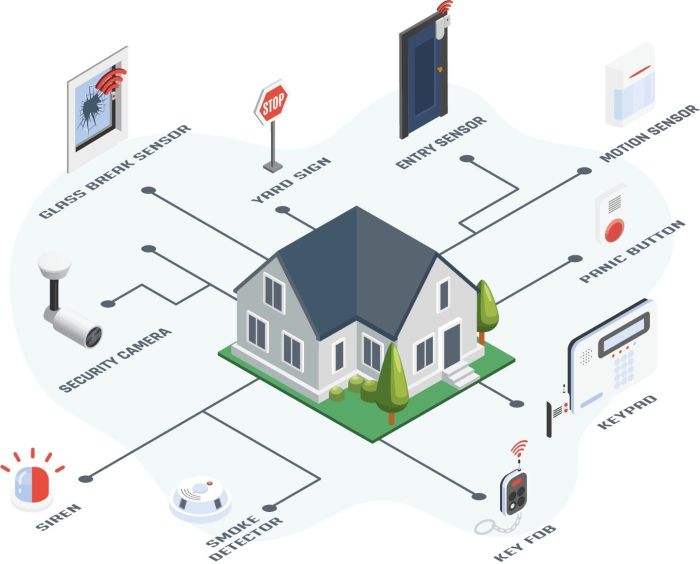
Smart security systems today offer the convenience of integration with various smart home devices, creating a seamless connected ecosystem that enhances overall security and automation.
Voice Assistants
- Smart security systems can be integrated with popular voice assistants like Amazon Alexa or Google Assistant, allowing users to control their security settings using voice commands.
- Users can arm or disarm their security system, check the status of sensors, or receive real-time alerts through voice commands, enhancing accessibility and convenience.
Lighting Systems
- Integration with lighting systems enables smart security systems to trigger lights based on specific events, such as motion detection or alarm activation.
- This feature can deter intruders by creating the impression that someone is at home, enhancing overall security and providing peace of mind to homeowners.
Thermostats
- Smart security systems can work in conjunction with smart thermostats to adjust temperature settings when the security system is armed or disarmed.
- For example, when the security system detects that the house is empty, it can automatically adjust the thermostat to save energy, offering both convenience and energy efficiency.
Last Word
As we conclude our exploration of top smart security systems for modern homes, it's clear that these advancements are not just about technology—they're about creating a safer and more connected living environment. With a focus on enhancing security and simplifying daily routines, these systems are undoubtedly a game-changer in the realm of home safety.
Clarifying Questions
Are smart security systems easy to install?
Most smart security systems are designed for easy DIY installation, with step-by-step guides provided. However, professional installation is recommended for complex systems.
Can smart security systems be integrated with other smart home devices?
Yes, smart security systems can seamlessly integrate with various smart home devices like voice assistants, lighting systems, and thermostats for enhanced automation and convenience.
What features should I prioritize when choosing a smart security system?
Key features to consider include remote access, motion detection, night vision cameras, and smartphone alerts for real-time monitoring and control of your home's security.

