

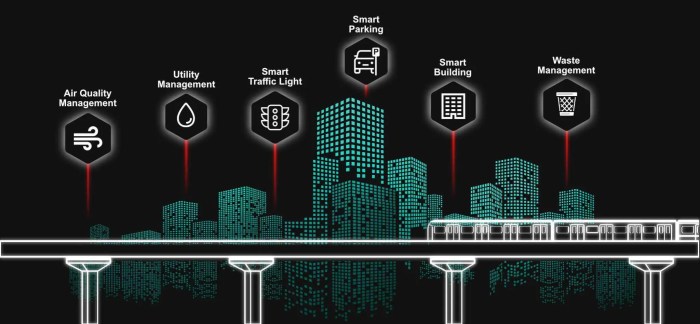
Exploring the transformative impact of electric technologies on the landscape of smart cities, this topic delves into the innovative solutions that are driving urban development forward. From electric vehicles to smart grids, the integration of these technologies is reshaping the way cities function and paving the way for a sustainable future.
Overview of Electric Technologies in Smart Cities
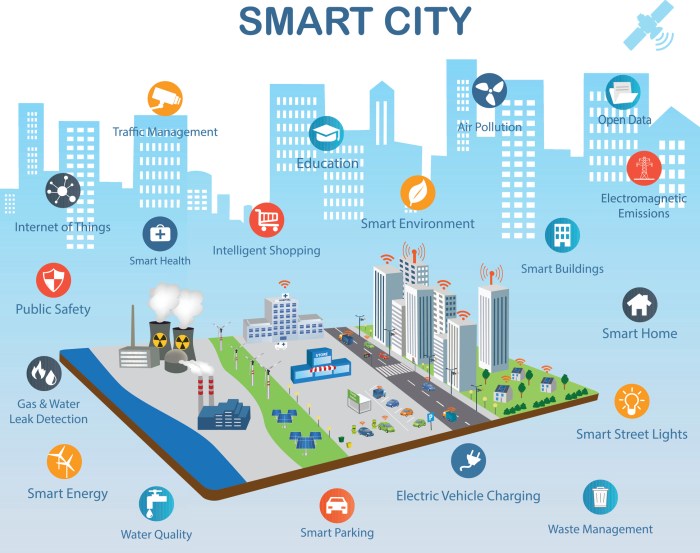
Electric technologies play a crucial role in shaping smart cities by providing sustainable solutions for urban development. These technologies are integrated into various aspects of smart city infrastructure to enhance efficiency, reduce environmental impact, and improve quality of life for residents.
Let's delve into the key points that highlight the significance of electric technologies in smart cities.
Integration of Electric Vehicles
Electric vehicles (EVs) are a prime example of how electric technologies are integrated into smart city infrastructure. With the rise of EV adoption, cities are implementing charging stations, developing EV-friendly policies, and promoting sustainable transportation options. This integration not only reduces air pollution and greenhouse gas emissions but also helps in creating a more sustainable and eco-friendly urban environment.
Smart Grid Systems
Smart grid systems are another essential component of electric technologies in smart cities. These systems enable efficient energy management, integration of renewable energy sources, and optimization of electricity distribution. By incorporating smart grid technologies, cities can reduce energy wastage, lower costs, and enhance reliability of power supply, contributing to overall sustainability goals.
Energy-efficient Buildings
Electric technologies are also instrumental in creating energy-efficient buildings within smart cities. From smart lighting systems to advanced HVAC controls, these technologies help in reducing energy consumption, enhancing indoor comfort, and promoting sustainable practices in building design and operation. By utilizing electric technologies, cities can achieve significant energy savings and reduce their carbon footprint.
Renewable Energy Integration
The integration of renewable energy sources, such as solar and wind power, is a key aspect of electric technologies in smart cities. By harnessing clean and sustainable energy sources, cities can reduce their dependence on fossil fuels, mitigate climate change impacts, and promote a greener and more resilient urban environment.
Renewable energy integration is essential for achieving long-term sustainability goals and ensuring a cleaner future for urban communities.
Electric Vehicles and Charging Infrastructure
Electric vehicles play a crucial role in smart cities by reducing carbon emissions, promoting sustainability, and enhancing overall transportation efficiency. As the demand for electric vehicles continues to grow, the need for efficient and reliable charging infrastructure becomes paramount.
Key Features of Smart Charging Infrastructure
Smart charging infrastructure for electric vehicles offers a range of features that optimize charging processes and enhance user experience. These features may include:
- Fast charging capabilities to minimize charging time
- Remote monitoring and control for efficient management
- Integration with renewable energy sources for sustainability
- Potential for dynamic pricing based on demand and energy availability
Comparison of Electric Vehicle Charging Stations
There are various models of electric vehicle charging stations available, each with unique features and capabilities. These models may include:
- Level 1 chargers: Basic chargers that use standard household outlets
- Level 2 chargers: Faster chargers that require special installations
- DC fast chargers: Rapid chargers ideal for quick charging on the go
Challenges and Opportunities of Integrating Electric Vehicles
Integrating electric vehicles into urban transportation systems presents both challenges and opportunities. Challenges may include limited charging infrastructure, range anxiety, and high upfront costs. However, opportunities exist for reducing emissions, enhancing energy security, and creating new jobs in the renewable energy sector.
Smart Grids and Energy Management
Smart grids play a crucial role in optimizing energy distribution within smart cities. By integrating advanced technology and communication systems, smart grids help enhance energy efficiency, promote renewable energy integration, and enable effective energy management.
Enhancing Energy Efficiency
Smart grids enable real-time monitoring of energy consumption and production, allowing for dynamic adjustments to match supply with demand. This helps reduce energy wastage, optimize grid performance, and lower operational costs. For example, smart meters and sensors can collect data on energy usage patterns, enabling utilities to implement demand response programs and encourage energy conservation among residents and businesses.
Impact on Renewable Energy Integration
Smart grids facilitate the integration of renewable energy sources, such as solar and wind power, by providing the flexibility to manage variable energy generation. Through smart grid technologies like microgrids and energy storage systems, cities can store excess renewable energy for times of high demand or low production.
This not only reduces reliance on fossil fuels but also promotes a more sustainable and environmentally friendly energy mix.
Technologies for Energy Management
In smart city environments, technologies like advanced metering infrastructure (AMI), distribution automation, and energy management systems are utilized to optimize energy distribution and consumption. AMI enables two-way communication between utilities and consumers, allowing for remote monitoring and control of energy usage.
Distribution automation systems help detect and respond to power outages more efficiently, ensuring uninterrupted energy supply. Energy management systems use data analytics to identify energy-saving opportunities and optimize energy usage across different sectors of the city.
IoT and Data Analytics for Smart City Operations
IoT devices play a crucial role in the development of smart cities by enabling the connection and communication between various components of urban infrastructure. Data analytics further enhances the efficiency and effectiveness of urban services by providing valuable insights and enabling predictive maintenance and optimization.
Role of IoT in Smart City Development
- IoT devices such as sensors and actuators collect real-time data on various aspects of city operations, including traffic flow, air quality, energy consumption, and waste management.
- This data enables city administrators to make informed decisions, improve resource allocation, and enhance overall sustainability.
- Examples of IoT applications include smart traffic management systems, waste collection optimization, and environmental monitoring solutions.
Data Analytics for Optimizing Urban Services
- Data analytics processes the vast amount of data collected by IoT devices to identify patterns, trends, and anomalies.
- By analyzing this data, cities can optimize energy usage, reduce traffic congestion, and enhance public safety.
- Smart grids use data analytics to balance energy supply and demand, leading to more efficient energy management and cost savings.
Importance of Data Security and Privacy in IoT-driven Smart Cities
- Data security and privacy are critical considerations in IoT-driven smart cities to protect sensitive information and prevent cyber-attacks.
- Encryption protocols and secure communication channels are essential to safeguard data collected by IoT devices.
- Compliance with data protection regulations and frameworks is necessary to ensure the ethical and responsible use of data in smart city operations.
Final Wrap-Up
In conclusion, the fusion of electric technologies with smart city initiatives represents a groundbreaking shift towards a more efficient, sustainable, and connected urban environment. By harnessing the power of innovation, cities can pave the way for a brighter future powered by electricity.
Quick FAQs
How can electric technologies improve energy efficiency in smart cities?
Electric technologies, such as smart grids, help optimize energy distribution and reduce waste, leading to improved energy efficiency in urban environments.
What are some key benefits of integrating electric vehicles into urban transportation systems?
Integrating electric vehicles can reduce air pollution, decrease reliance on fossil fuels, and lower greenhouse gas emissions, contributing to a cleaner and healthier city.
Why is data security and privacy important in IoT-driven smart cities?
Data security and privacy are crucial in IoT-driven smart cities to protect sensitive information, prevent cyber attacks, and ensure the trust and safety of city residents.

