

As the world shifts towards sustainable urban mobility, the future of electric public transportation systems emerges as a pivotal topic. This opening passage invites readers into a realm where innovation and environmental consciousness converge to shape the way we commute.
Detailing the latest technological advancements, challenges in infrastructure development, and the social and economic impacts, this discussion sheds light on the transformative journey towards a greener, more efficient public transportation landscape.
Overview of Electric Public Transportation Systems
Electric public transportation systems refer to modes of public transportation that run on electricity instead of traditional fossil fuels. These systems include electric buses, trains, trams, and even electric scooters.Transitioning to electric public transportation systems is crucial for reducing greenhouse gas emissions and combating climate change.
By using electricity as a power source, these systems help decrease air pollution and improve air quality in urban areas.Compared to traditional fuel-based systems, electric public transportation has a significantly lower environmental impact. Electric vehicles produce zero tailpipe emissions, reducing harmful pollutants such as carbon monoxide, nitrogen oxides, and particulate matter.Cities and countries around the world are leading the way in implementing electric public transportation.
For example, Shenzhen, China, has the largest fleet of electric buses in the world, with over 16,000 electric buses operating in the city. Similarly, Norway is a pioneer in electric mobility, with a high percentage of electric vehicles in its public transportation fleet.
Technology Advancements in Electric Public Transportation
Electric public transportation systems have seen significant technological advancements in recent years, revolutionizing the way people commute in urban areas. These innovations have not only improved the efficiency and performance of electric vehicles but also paved the way for a more sustainable and environmentally friendly mode of transportation.
Advancements in Battery Technology
With the development of advanced battery technologies such as lithium-ion batteries, electric buses and trains can now travel longer distances on a single charge. These batteries are not only more energy-dense but also have a longer lifespan, making them ideal for public transportation systems.
The ability to fast-charge these batteries has also reduced downtime significantly, ensuring a more efficient operation of electric vehicles.
Efficiency and Performance of Electric Vehicles
Electric vehicles in public transportation have proven to be more efficient than their traditional fossil fuel counterparts. They produce zero emissions, reducing air pollution in cities, and are quieter, providing a more comfortable ride for passengers. Additionally, electric buses and trains have lower maintenance costs and longer lifespans, making them a cost-effective and sustainable choice for public transportation systems.
Integration of Smart Technology
Smart technology has been integrated into electric public transportation systems to improve efficiency and passenger experience. Real-time tracking systems allow passengers to plan their journeys more effectively, while predictive maintenance technology helps operators identify and address issues before they occur.
Furthermore, smart charging infrastructure enables optimized charging schedules, reducing energy consumption and costs for public transportation fleets.
Infrastructure Development for Electric Public Transportation
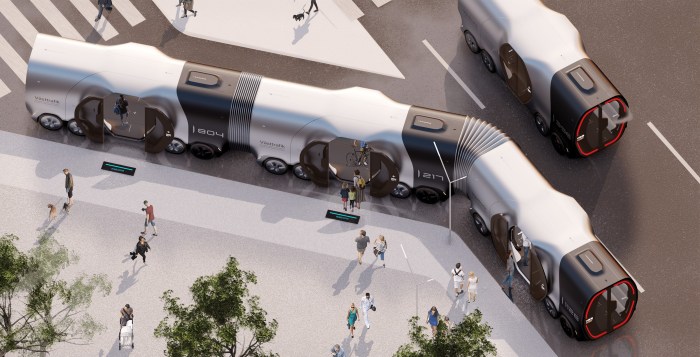
Electric public transportation systems rely heavily on infrastructure development to support their operations. One of the key aspects of infrastructure is the charging infrastructure for electric buses and trains. Challenges arise in ensuring that there are enough charging stations available to meet the needs of the growing fleet of electric vehicles.
Solutions such as implementing fast-charging stations, battery swapping technology, and smart charging systems can help address these challenges and ensure reliable operation of electric public transportation.
Charging Infrastructure Challenges and Solutions
- Challenges: Limited availability of charging stations, long charging times, high costs of infrastructure development.
- Solutions: Implementing fast-charging stations, battery swapping technology, smart charging systems with demand response capabilities.
Importance of Building Robust Infrastructure
- Building a robust infrastructure is crucial for the widespread adoption of electric public transportation.
- It ensures reliable operation, reduces downtime, and improves the overall efficiency of public transport systems.
Smart Charging Solutions and Renewable Energy Integration
- Smart charging solutions use advanced technology to optimize charging times, reduce energy costs, and minimize grid impact.
- Integrating renewable energy sources such as solar or wind power into public transport systems can help reduce carbon emissions and reliance on fossil fuels.
Role of Urban Planning in Infrastructure Development
- Urban planning plays a critical role in developing infrastructure for electric transportation.
- It involves designing routes, locating charging stations strategically, and creating sustainable transport networks that prioritize electric vehicles.
Social and Economic Impacts of Electric Public Transportation
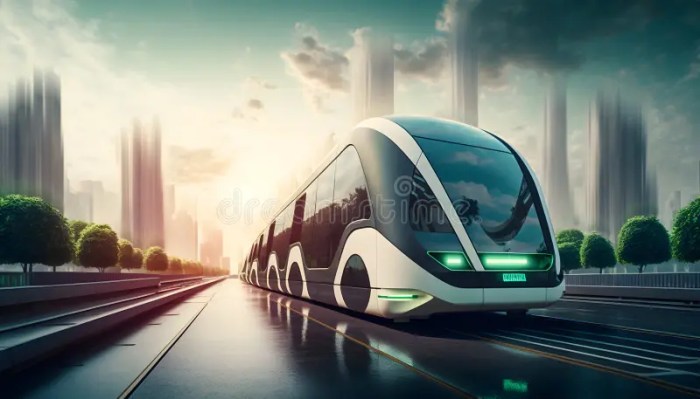
Electric public transportation systems not only offer environmental benefits but also have significant social and economic impacts. Let's delve into how transitioning to electric transport can benefit society and the economy.
Economic Benefits of Transitioning to Electric Public Transportation Systems
Electric public transportation systems can lead to substantial cost savings in the long run. While the initial investment in electric buses and charging infrastructure may be higher, the operational costs are significantly lower than traditional diesel buses. This can result in savings for transit agencies and even potentially lower fares for passengers.
Additionally, the reduction in greenhouse gas emissions can lead to savings in healthcare costs associated with air pollution-related illnesses.
Improving Air Quality and Public Health in Urban Areas
One of the most significant advantages of electric public transportation is the improvement in air quality and public health. By replacing diesel buses with electric ones, cities can reduce harmful emissions such as nitrogen oxides and particulate matter, which are known to have adverse effects on respiratory health.
Cleaner air can lead to a decrease in respiratory diseases, cardiovascular issues, and overall improvement in public health, especially in densely populated urban areas.
Social Equity Aspects of Providing Electric Public Transport Services
Electric public transportation can also address social equity issues by providing affordable and accessible transport options to all members of society. By improving connectivity and reducing transport costs, electric buses can benefit low-income communities that rely heavily on public transportation.
Additionally, the reduction in air pollution in these areas can help alleviate environmental injustices that disproportionately affect marginalized communities.
Job Creation Potential in the Electric Public Transportation Sector
The shift towards electric public transportation systems also presents opportunities for job creation in various sectors. From manufacturing electric buses and charging infrastructure to maintenance and operations, the electric transportation sector can generate employment opportunities for skilled workers. Moreover, the growth of this sector can spur innovation and research in sustainable transportation technologies, creating a ripple effect of job creation across different industries.
Epilogue
In conclusion, the discourse on the future of electric public transportation systems underscores the imperative need for sustainable solutions in urban mobility. By embracing electric transport, cities can pave the way for cleaner air, enhanced social equity, and a thriving economy.
The possibilities are vast, and the transition towards a greener tomorrow is within reach.
Clarifying Questions
What are the key benefits of transitioning to electric public transportation systems?
Transitioning to electric systems can significantly reduce greenhouse gas emissions, improve air quality, and lower operating costs in the long run.
How do advancements in battery technology impact the future of electric transportation?
Advancements in battery technology enable longer ranges, faster charging times, and enhanced efficiency in electric vehicles, making them more viable for public transportation.
What role does urban planning play in developing infrastructure for electric transportation?
Urban planning is crucial for designing efficient routes, establishing charging stations, and creating transport hubs to support the seamless integration of electric public transportation systems.
How does electric transportation contribute to social equity?
Electric public transport services provide affordable and accessible mobility options for all, reducing transportation disparities and enhancing inclusivity in urban communities.

