

Exploring the landscape of electric mobility trends in Asia and Europe reveals a fascinating journey of technological advancements, government initiatives, and market dynamics. Let's delve into the key factors shaping the adoption of electric vehicles in these regions and the challenges and opportunities they present.
In this discussion, we will compare and contrast the trends in electric mobility, delve into the governmental policies driving this shift, explore the technological innovations propelling the industry forward, and analyze the market trends and challenges faced by traditional automotive players.
Electric Mobility Overview
Electric mobility trends in Asia and Europe show some similarities and differences. In Asia, countries like China and Japan are leading the way in electric vehicle adoption, driven by government incentives, environmental concerns, and technological advancements. In Europe, countries like Norway and Germany are also embracing electric vehicles due to strict emissions regulations, consumer demand for sustainable transportation, and investment in charging infrastructure.
Key Factors Driving Adoption of Electric Vehicles
- Government incentives and subsidies to promote electric vehicle adoption
- Environmental concerns and efforts to reduce carbon emissions
- Technological advancements leading to improved battery technologies and longer driving ranges
- Consumer demand for sustainable transportation options
Current State of Infrastructure Supporting Electric Mobility
- Charging station networks expanding in both regions to support the growing number of electric vehicles
- Incentives for businesses to install charging stations at workplaces and public areas
- Development of fast-charging technology to reduce charging times and improve convenience for electric vehicle owners
- Integration of renewable energy sources to power charging stations, reducing the overall carbon footprint of electric vehicles
Government Initiatives
Government policies and incentives play a crucial role in promoting electric mobility in Asia and Europe. By implementing supportive measures, governments aim to accelerate the transition towards sustainable transportation solutions.
Regulatory Frameworks
In Asia, countries like China and India have set ambitious targets for electric vehicle adoption, with incentives such as subsidies, tax breaks, and infrastructure investments. For example, China's New Energy Vehicle (NEV) credit system encourages automakers to produce more electric vehicles to meet emission standards.
In contrast, European countries like Norway and the Netherlands have implemented stringent regulations such as zero-emission zones and registration tax exemptions for electric vehicles. These measures create a favorable environment for electric mobility growth.
Successful Government Initiatives
One successful government initiative in Asia is Japan's Electric Vehicle (EV) subsidy program, which provides financial incentives for purchasing electric vehicles and installing charging infrastructure. This program has led to a significant increase in EV sales in the country. In Europe, the UK's Plug-In Car Grant offers a subsidy for electric vehicle buyers, making EVs more affordable and accelerating their adoption rates.
Additionally, Germany's Electric Mobility Act provides tax incentives and infrastructure support to promote electric vehicle usage nationwide.
Technological Advancements
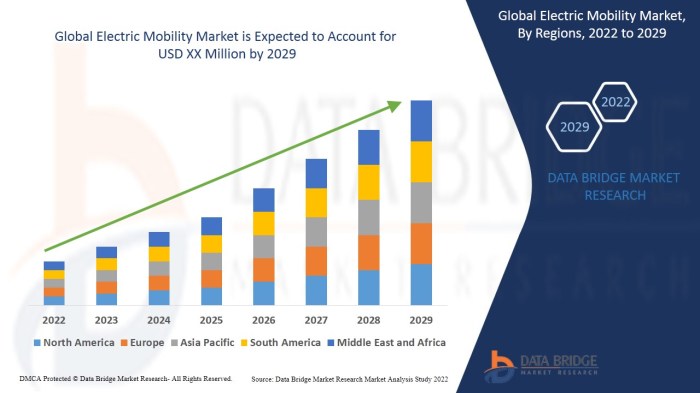
Electric vehicles have seen significant technological advancements in recent years, driving the development of this sustainable mode of transportation in both Asia and Europe. These advancements have not only improved the performance and efficiency of electric vehicles but have also made them more accessible and convenient for consumers.
Advancements in Battery Technology
One of the key technological innovations shaping the electric mobility landscape is the advancements in battery technology. Lithium-ion batteries, in particular, have become more efficient, lighter, and cheaper to produce, allowing electric vehicles to have longer ranges and shorter charging times.
This has addressed one of the major concerns for consumers
- range anxiety
- and has made electric vehicles a more viable option for everyday use. Additionally, research and development in solid-state batteries and other alternative battery technologies are ongoing, promising even better performance and sustainability in the future.
Smart Charging Solutions
Another crucial advancement in electric mobility is the implementation of smart charging solutions. Smart charging technologies enable users to optimize their charging process based on factors such as electricity prices, grid demand, and renewable energy availability. This not only helps in reducing the overall energy consumption and costs but also contributes to the stability of the grid by balancing the demand for electricity.
Moreover, smart charging solutions promote the integration of renewable energy sources, making electric vehicles even more environmentally friendly and sustainable.
Market Trends and Challenges
The electric vehicle market in Asia and Europe has been experiencing significant growth in recent years, with sales figures showing a steady increase. Projections suggest that this trend will continue as more consumers and governments shift towards sustainable transportation solutions.
Market Trends in Asia and Europe
- In Asia, countries like China and Japan have been leading the way in electric vehicle adoption, with sales figures surpassing traditional gasoline-powered vehicles in some regions.
- Europe has also seen a surge in electric vehicle sales, driven by government incentives and stricter emissions regulations.
- Projections indicate that the electric vehicle market will continue to expand, with more automakers investing in electric mobility and developing new models to meet the growing demand.
Main Challenges in Adoption
- One of the main challenges hindering further adoption of electric mobility is the lack of charging infrastructure, especially in rural areas where access to charging stations is limited.
- Range anxiety remains a concern for many consumers, as they fear running out of battery power before reaching their destination, despite advancements in battery technology.
- The higher upfront cost of electric vehicles compared to traditional cars is also a barrier for many potential buyers, although this is gradually decreasing as technology improves and economies of scale are achieved.
Impact on Traditional Automotive Industries
- The rise of electric mobility has forced traditional automotive industries to adapt and invest in electric vehicle technology to stay competitive in the market.
- New market players, such as startups and tech companies, have entered the automotive industry, bringing innovative solutions and disrupting the traditional market dynamics.
- Automakers are increasingly focusing on sustainable practices and electric mobility to meet consumer demand and comply with stricter environmental regulations, leading to a shift in the industry landscape.
Closing Summary
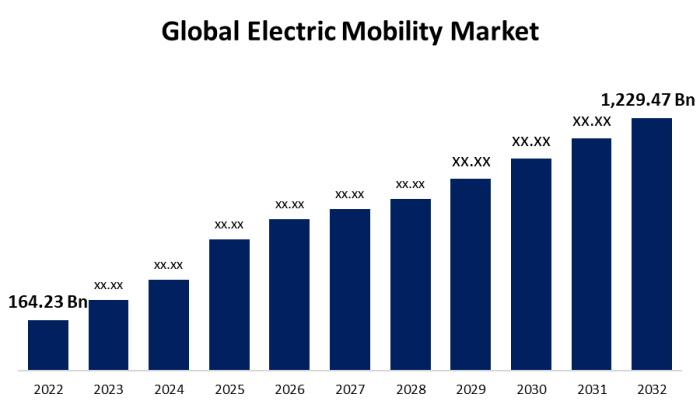
As we conclude our exploration of electric mobility trends in Asia and Europe, it becomes evident that the future of transportation is electric. With sustainable solutions, innovative technologies, and evolving market dynamics, the electric mobility sector is poised for significant growth and transformation in the coming years.
Key Questions Answered
What are some key factors driving the adoption of electric vehicles in Asia and Europe?
The key factors include government incentives, technological advancements, environmental concerns, and the desire for sustainable transportation solutions.
How do regulatory frameworks for electric vehicles differ between Asia and Europe?
Regulatory frameworks vary, with Europe typically having stricter emissions standards and more robust charging infrastructure compared to many Asian countries.
What impact does electric mobility have on traditional automotive industries?
Electric mobility is disrupting traditional automotive industries, leading to a shift towards electric vehicle production and the emergence of new market players focused on sustainable transportation.

