

Exploring the realm of Best smart home devices for 2025, this introduction sets the stage for an exciting journey into the innovations and advancements shaping our future homes. From cutting-edge security systems to AI-powered kitchen appliances, the landscape of smart home technology is evolving rapidly, promising convenience, efficiency, and a touch of magic in every corner of our living spaces.
As we delve deeper into the intricacies of smart home devices for 2025, a world of endless possibilities unfolds, where everyday tasks are seamlessly automated and personalized to enhance our lifestyles in ways we never thought possible.
Overview of Smart Home Devices in 2025
Smart home devices have come a long way since their inception, evolving from basic automated systems to sophisticated interconnected devices that make our lives easier and more convenient. In 2025, the significance of smart home devices has reached new heights, revolutionizing the way we interact with our living spaces and enhancing our overall quality of life.
Evolution of Smart Home Devices
Smart home devices have advanced rapidly over the years, from simple gadgets like smart thermostats and lighting systems to complex ecosystems of interconnected devices that can be controlled remotely through smartphones or voice commands. The integration of artificial intelligence (AI) and the Internet of Things (IoT) has played a crucial role in this evolution, enabling devices to learn from our behaviors, anticipate our needs, and communicate with each other seamlessly.
Significance in 2025
In 2025, smart home devices have become an integral part of modern households, offering a wide range of benefits such as increased energy efficiency, enhanced security, and improved convenience. With the rise of remote work and the need for more flexible living arrangements, smart home devices have become essential tools for creating comfortable and productive environments tailored to our individual preferences.
Integration of AI and IoT
The integration of artificial intelligence and the Internet of Things has transformed smart home technology by enabling devices to adapt to our routines, optimize energy usage, and provide personalized experiences. AI-powered assistants like Alexa and Google Assistant have become central hubs for controlling smart home devices, allowing users to manage their homes with simple voice commands and automate repetitive tasks.
Smart Security Systems
Smart security systems in 2025 have seen significant advancements to provide enhanced protection for smart homes. These systems offer a range of features such as real-time monitoring, facial recognition technology, and integration with other smart devices for a comprehensive security solution.
Advancements in Smart Security Systems
In 2025, smart security systems have evolved to include AI-powered analytics that can distinguish between human activity and false alarms, reducing the number of unnecessary alerts. Additionally, the integration of IoT technology allows for seamless communication between security devices, providing a more efficient and effective security network.
Comparison of Different Smart Security Devices
There are various smart security devices available in the market, each offering unique features and capabilities. For example, smart cameras with 4K resolution provide crystal-clear images for better surveillance, while smart door locks offer keyless entry options and remote access control.
It is essential to consider the specific needs of your home when choosing the right smart security devices to ensure optimal protection.
The Importance of Cybersecurity in Smart Home Security Systems
Cybersecurity plays a crucial role in smart home security systems to prevent unauthorized access and protect sensitive data. Implementing strong encryption protocols, regularly updating software, and using secure networks are essential steps to safeguarding your smart security devices from cyber threats.
By prioritizing cybersecurity measures, homeowners can ensure the integrity of their smart security systems and maintain a secure living environment.
Smart Thermostats and Climate Control
In smart homes of 2025, smart thermostats play a crucial role in optimizing energy efficiency and providing personalized comfort to users. These devices can learn user preferences, adjust temperatures based on occupancy, and even connect to other smart home devices for a seamless experience.
Top Smart Thermostats for 2025
- Nest Learning Thermostat: Known for its self-learning capabilities and energy-saving features.
- Ecobee SmartThermostat: Offers room sensors for better temperature control and smart home integration.
- Honeywell Home T9: Allows for room-by-room temperature control and works with virtual assistants.
Evolution of Climate Control Systems in Smart Homes
Climate control systems in smart homes have evolved to offer more precision, automation, and energy efficiency. Smart thermostats now use advanced algorithms to optimize heating and cooling schedules, taking into account factors like weather forecasts and user habits. Integration with other smart devices such as smart blinds or fans allows for a holistic approach to climate control, ensuring optimal comfort and energy savings.
Connected Lighting Solutions
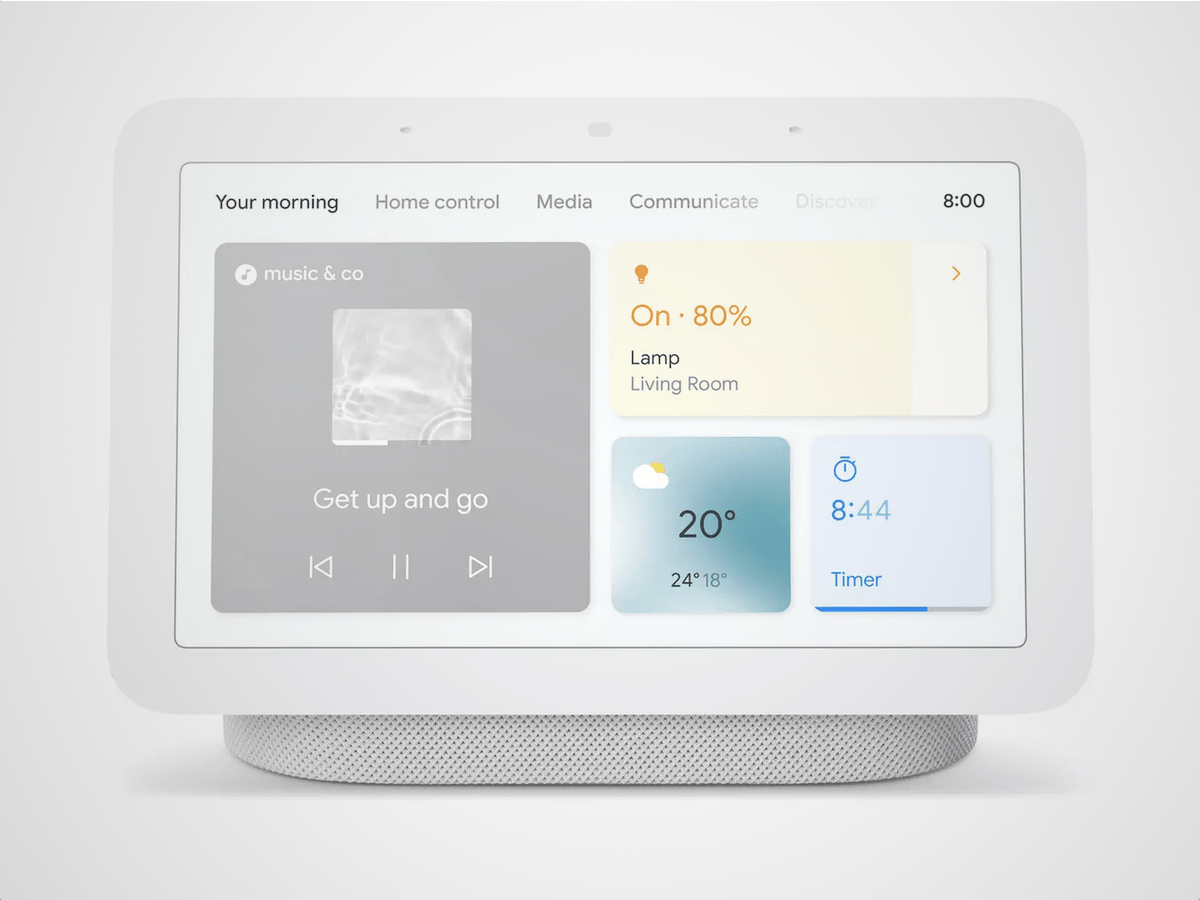
Smart lighting systems offer numerous benefits for homeowners, including energy efficiency, convenience, customization, and enhanced security features. These systems allow users to control the lighting in their homes remotely through a smartphone app or voice commands, creating a more comfortable and efficient living environment.
Types of Smart Bulbs
- LED Smart Bulbs: These bulbs are energy-efficient and long-lasting, offering various color options and dimming capabilities.
- CFL Smart Bulbs: Compact fluorescent bulbs are also energy-efficient and provide cost savings, but they may not offer as many features as LED bulbs.
- Smart Light Strips: These versatile lighting solutions can be easily customized to fit different spaces and are ideal for accent lighting.
- Smart Light Switches: These devices can turn any regular light bulb into a smart light, allowing for remote control and automation.
Smart lighting can help homeowners save on energy costs by allowing them to schedule lights to turn on and off at specific times, as well as adjust brightness levels based on natural light conditions.
Impact of Smart Lighting on Home Automation
- Integration with Other Smart Devices: Smart lighting systems can be integrated with other smart home devices such as thermostats, security cameras, and voice assistants for a seamless home automation experience.
- Enhanced Security: Automated lighting can create the illusion of someone being at home, deterring potential intruders when homeowners are away.
- Personalized Settings: Smart lighting systems allow users to create custom lighting scenes for different activities, moods, or times of the day, enhancing overall comfort and ambiance.
Home Entertainment and Audio Systems
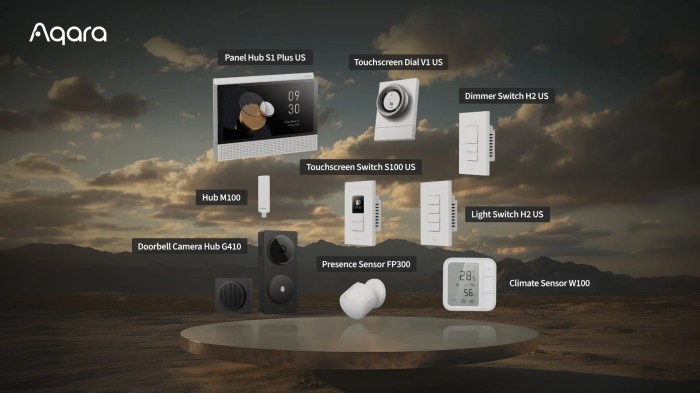
The latest trends in smart home entertainment systems involve seamless integration, high-quality audio, and advanced features to enhance the overall home entertainment experience.
Voice Assistants in Audio Systems
Voice assistants like Amazon Alexa and Google Assistant are becoming increasingly integrated into audio systems, allowing users to control their music, adjust volume, and even request specific songs or playlists using voice commands. This hands-free experience adds convenience and accessibility to home entertainment setups.
- Smart speakers with built-in voice assistants offer a streamlined way to control audio playback and access a wide range of music services.
- Wireless headphones and earbuds with voice assistant support enable users to manage music playback and receive notifications without needing to touch their devices.
- Home theater systems with voice control capabilities allow users to adjust settings, switch between inputs, and even search for content using voice commands, creating a more immersive viewing experience.
Innovative Audio Devices for 2025
In 2025, we can expect to see a variety of innovative audio devices that offer enhanced sound quality, connectivity options, and smart features to cater to the evolving needs of consumers.
- AI-powered soundbars that analyze the acoustics of the room and adjust the audio output accordingly, providing a customized listening experience.
- Multi-room audio systems that allow users to stream music to different speakers throughout their home simultaneously, creating a seamless audio environment.
- Holographic audio technology that produces immersive 3D soundscapes, enhancing the audio-visual experience for movies, games, and music.
Smart Kitchen Appliances
Smart kitchen appliances have revolutionized the way we cook and manage our kitchens. These appliances are designed to make our lives easier, more convenient, and efficient in the kitchen. They are equipped with advanced technology that allows users to control and monitor them remotely, saving time and energy.
Advantages of Smart Kitchen Appliances
- Remote access and control: Smart kitchen appliances can be controlled and monitored from anywhere using a smartphone or tablet, providing convenience and flexibility to users.
- Energy efficiency: These appliances are designed to be energy-efficient, helping users save on electricity bills in the long run.
- Enhanced safety features: Smart appliances come with safety features such as automatic shut-off and alerts, ensuring a safer cooking environment.
- Customized cooking experiences: Some smart appliances offer personalized settings and cooking recommendations based on users' preferences.
Comparison: Traditional vs. Smart Kitchen Appliances
| Traditional Kitchen Appliances | Smart Kitchen Appliances |
|---|---|
| Manual operation | Remote control and monitoring |
| Higher energy consumption | Energy-efficient |
| Basic safety features | Advanced safety features |
| Limited functionality | Customized settings and recommendations |
Role of AI in Enhancing Kitchen Automation
Artificial Intelligence (AI) plays a crucial role in enhancing kitchen automation through smart appliances. AI algorithms enable these appliances to learn user preferences, optimize cooking times, and suggest recipes based on available ingredients. This technology not only streamlines the cooking process but also improves overall efficiency and user experience in the kitchen.
Closing Notes
In conclusion, the horizon of Best smart home devices for 2025 is brimming with promise and potential, offering a glimpse into a future where homes are not just smart, but intuitive, adaptive, and truly connected to our needs and desires.
As we embrace these technological marvels, we step into a new era of living, where the boundaries between the physical and digital worlds blur, creating a harmonious and intelligent living environment for generations to come.
Commonly Asked Questions
How do smart thermostats contribute to energy efficiency?
Smart thermostats optimize heating and cooling based on usage patterns and environmental conditions, resulting in reduced energy consumption and lower utility bills.
What is the significance of cybersecurity in smart home security systems?
Cybersecurity is crucial in preventing unauthorized access to smart home devices, ensuring the protection of personal data and safeguarding against potential breaches.
How has AI enhanced kitchen automation with smart appliances?
AI technology in smart kitchen appliances enables predictive analysis, personalized cooking recommendations, and remote monitoring for efficient and convenient meal preparation.

