

Embark on a journey into the realm of Best electric vehicles with smart technology 2025, where innovation and technology converge to shape the future of transportation. This introduction sets the stage for an insightful exploration, delving into the upcoming advancements in electric vehicles that will revolutionize the way we commute.
The next paragraph will provide a comprehensive overview of the top electric vehicles with cutting-edge smart technology features expected to dominate the market by 2025.
List of Best Electric Vehicles with Smart Technology 2025
Electric vehicles are rapidly evolving with advanced smart technologies, revolutionizing the automotive industry. Here are some of the top electric vehicles expected to showcase cutting-edge smart features by 2025.
Tesla Model S
- Autopilot system for autonomous driving
- Enhanced AI for navigation and predictive maintenance
- Advanced connectivity features for seamless integration with smart devices
Nissan Ariya
- ProPILOT Assist 2.0 for semi-autonomous driving capabilities
- Intelligent Route Planner for optimized driving efficiency
- Augmented Reality HUD for enhanced driving experience
Audi e-tron GT
- Virtual Cockpit Plus for personalized driver information
- MMI touch response system for intuitive control interface
- AI-based adaptive cruise control for enhanced safety
Smart Features in Electric Vehicles
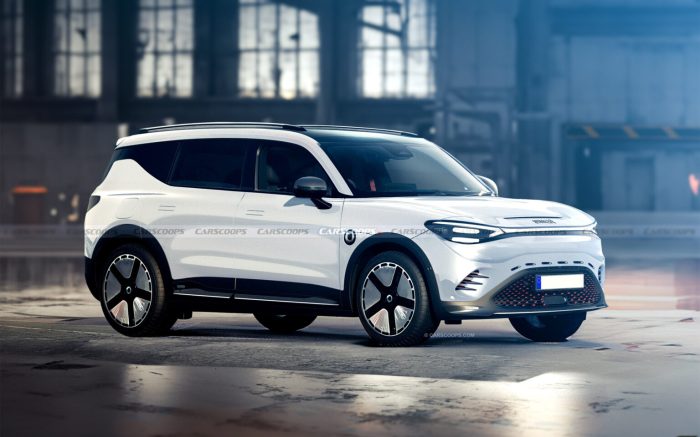
Electric vehicles with smart technology are expected to revolutionize the automotive industry by 2025, offering a wide range of features that enhance the driving experience, safety, and convenience for users. These smart features are made possible through the integration of technologies such as AI, IoT, and other advanced systems, making electric vehicles not only environmentally friendly but also highly efficient and intelligent.
Autonomous Driving
- Autonomous driving features, such as lane-keeping assist, adaptive cruise control, and automatic parking, allow electric vehicles to navigate roads with minimal human intervention, enhancing safety and reducing driver fatigue.
- Advanced AI algorithms enable electric vehicles to analyze road conditions, traffic patterns, and potential hazards in real-time, ensuring a smooth and secure driving experience.
Connected Car Technology
- Integration of IoT technology enables electric vehicles to connect to smartphones and other devices, allowing users to remotely monitor and control various functions, such as pre-heating or cooling the cabin, checking battery status, and locating the vehicle.
- Real-time data exchange between the vehicle and external sources enhances navigation, entertainment, and communication features, providing a seamless driving experience.
Energy Efficiency Optimization
- Smart energy management systems leverage AI to optimize battery usage, charging schedules, and regenerative braking, maximizing the range and efficiency of electric vehicles.
- Integration of predictive analytics allows electric vehicles to adapt their driving behavior based on traffic conditions, weather forecasts, and user preferences, ensuring optimal performance and energy savings.
Charging Infrastructure for Electric Vehicles
Electric vehicles are becoming increasingly popular, but one of the key factors holding back their widespread adoption has been the limitations in charging infrastructure. By 2025, significant advancements are expected in this area to support the growth of electric vehicles and make them more accessible to the general public.Smart technologies are being utilized to improve charging stations in several ways.
These technologies enable better monitoring of charging sessions, optimize energy usage, and provide real-time information to users about the availability of charging points. Additionally, smart grids are being implemented to manage the demand for electricity more efficiently and prevent overloads during peak charging times.One of the most promising developments in charging infrastructure is the concept of wireless charging
This technology allows electric vehicles to charge without the need for physical cables, simply by parking over a charging pad. Wireless charging not only eliminates the hassle of plugging in the vehicle but also has the potential to increase convenience and encourage more people to switch to electric vehicles.
Wireless Charging Technology
Wireless charging technology works by using magnetic fields to transfer energy between a charging pad on the ground and a receiver on the vehicle. This eliminates the need for physical connections and simplifies the charging process. As this technology becomes more widespread, it could revolutionize the electric vehicle market by making charging more convenient and efficient.Overall, the advancements in charging infrastructure for electric vehicles, including the implementation of smart technologies and the development of wireless charging technology, are set to play a crucial role in driving the growth and adoption of electric vehicles by 2025.
Sustainability and Environmental Impact
Electric vehicles equipped with smart technology play a crucial role in promoting sustainability and reducing the environmental impact of transportation. These vehicles are designed to be more energy-efficient, emit lower levels of greenhouse gases, and contribute to a cleaner and healthier environment.
Environmental Benefits of Electric Vehicles
- Electric vehicles produce zero tailpipe emissions, reducing air pollution and improving air quality in urban areas.
- By utilizing renewable energy sources for charging, electric vehicles can significantly lower their carbon footprint compared to traditional gasoline-powered vehicles.
- Smart features in electric vehicles, such as regenerative braking and energy-efficient systems, optimize energy usage and reduce overall energy consumption.
Smart Technology for Carbon Emission Reduction
- Smart technology in electric vehicles enables efficient route planning, reducing unnecessary energy consumption and emissions during travel.
- Vehicle-to-grid (V2G) technology allows electric vehicles to store excess energy and supply it back to the grid when needed, promoting a more balanced and sustainable energy ecosystem.
- Integration with smart grids enables electric vehicles to charge during off-peak hours when renewable energy sources are more abundant, further reducing carbon emissions.
Long-Term Impact of Electric Vehicles Adoption
- The widespread adoption of electric vehicles with advanced smart technology by 2025 is projected to lead to a significant reduction in greenhouse gas emissions, contributing to global efforts to combat climate change.
- As more charging infrastructure is developed to support electric vehicle growth, the transition to electric transportation is expected to accelerate, further reducing reliance on fossil fuels and decreasing overall carbon emissions.
- Electric vehicles equipped with smart technology are paving the way for a more sustainable and eco-friendly transportation future, where cleaner air, reduced pollution, and improved public health are prioritized.
Closing Summary
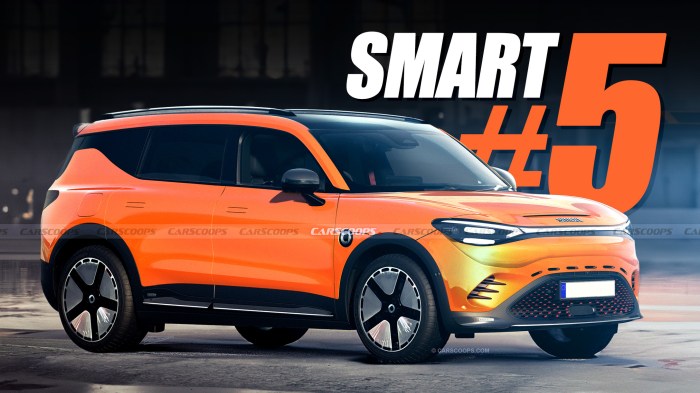
As we conclude our discussion on Best electric vehicles with smart technology 2025, it becomes evident that the future of transportation is poised for a transformation like never before. The amalgamation of smart features and sustainable practices paves the way for a greener, more efficient automotive landscape.
General Inquiries
What are some key players in the electric vehicle market with upcoming models in 2025?
Some key players include Tesla, Ford, and Volkswagen, each unveiling models with advanced smart technology features.
How do smart features in electric vehicles enhance the driving experience?
Smart features like autonomous driving and predictive maintenance improve safety, convenience, and overall user experience.
What is the potential impact of wireless charging on electric vehicles by 2025?
Wireless charging can revolutionize the charging process, offering more convenience and accessibility for electric vehicle owners.

